
“I Just Can’t Sit Back and Do Nothing”
A Conversation with Corinne Cope, Patient Safety Advocate
April 2026
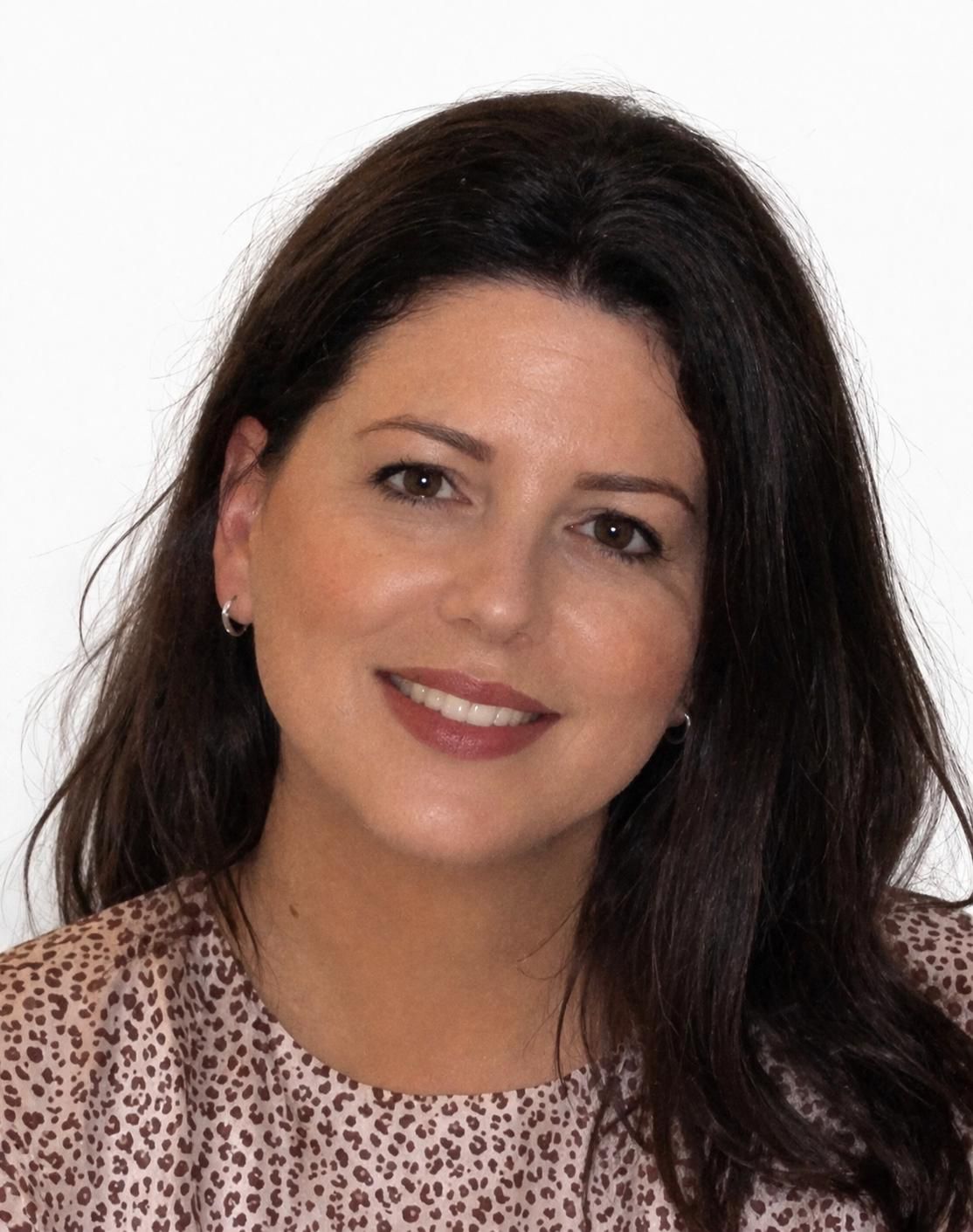
Corrine
I first encountered Corinne at a SEIPS introductory session. What struck me immediately was the quality of her thinking, precise, forensic, relentless in the best possible way. What I didn’t yet know was that this clarity had been forged in the most devastating of circumstances: the loss of her son, Dylan, from sepsis following a hospital discharge.
Dylan was sent home without adequate safety netting advice. He was not the first child to experience this under the same health board. He would not be the last.
“I just can’t do nothing,” Corinne tells me simply. “I have to be part of trying to influence positive change. Because otherwise avoidable harm and death, it can’t all be for nothing.”
A Systems Thinker Before She Had the Language
Long before she encountered SEIPS, the Systems Engineering Initiative for Patient Safety, Corinne was already thinking in systems. In her professional background she had gravitated naturally towards process improvement, drilling down, tracing connections, asking why when others accepted surface explanations. It was this instinct that made the gaps in what followed Dylan’s death so glaringly visible to her, and so hard to accept.
“The most astonishing thing,” she says, “was that they attributed his death to one thing, inappropriate safety netting. And I kept saying, it was many complex things.”
This is precisely the kind of reductive thinking that SEIPS challenges. Where single-cause analysis seeks one point to land on, systems thinking understands that adverse events emerge from the interaction of multiple factors across a whole system. When Corinne sat in that introductory session, something clicked.
“It confirmed that my way of thinking wasn’t wrong, that there was logic to it, and a framework. It gave me a bit of hope. All of these lines of inquiry are relevant.”
For Corinne, SEIPS wasn’t a revelation so much as a recognition. The framework gave language and legitimacy to what she had been doing instinctively throughout her search for answers.
The Safety Netting Sheet
One example illustrates the gap between intention and reality with painful clarity. Over a year after Dylan’s death, Corinne finally obtained the safety netting document the health board had produced, the document meant to address the very issue they had identified as central to what happened.
“It was like an extra dagger in my heart.”
The document, authored by a consultant paediatrician and signed off at executive level, had significant problems. It didn’t reflect updated NICE guidelines on temperature thresholds. Red flags appeared to have been selected without clear rationale. And critically, it advised parents to return if their child had “ongoing” abdominal pain, a dangerously subjective instruction, without specifying the 24 to 48 hour timeframe that the health board’s own report said Dylan’s father should have been given.
“You’re not even addressing your own concluded root cause for the death,” Corinne says. “And all of these executives had signed it off.”
She did what she has done throughout: she persisted, researched, challenged, and ultimately drafted a replacement document herself. Eventually, the health board used her version without acknowledgement.
What Good Looks Like
When I ask what a well-conducted investigation would have looked like, Corinne doesn’t hesitate. One point of contact, not multiple. Statements from all staff. CCTV retained. One investigation, concluded in a timely manner, not three investigations still unresolved three and a half years later. Executives visible, not hidden behind spokespeople.
And above all: real learning, not the hollow announcement that lessons have been learned.
“Optimal meaningful learning. Accountability, and I don’t mean blame or punishment, but responsibility and ownership. From the organisation and from individuals.”
She is also a passionate advocate for restorative approaches, genuine opportunities for staff and bereaved families to meet, reflect, and begin to heal together. Her own requests for such meetings were refused. She believes this was a profound missed opportunity, not just for her family, but for the staff involved.
“If people show compassion, insight, responsibility for their actions, whether intentional or otherwise, then most decent human beings will be forgiving. It’s a two-way thing.”
What Sustains Her
I ask, finally, what keeps her going.
“A strong sense of justice. And when I say justice, I mean morally just, the right thing. I’ve never been someone to stand back.”
Corinne is currently drafting guidance for investigators as part of Wales’s new Listening to People framework. She attends every event she’s asked to. She keeps pushing.
“I’ll just keep banging that drum,” she says, “until it’s my turn.”
Dylan would have been proud.
Corinne is a patient safety advocate working in Wales and an Ambassador at CHFG.
SEIPS (Systems Engineering Initiative for Patient Safety) training is available through CHFG